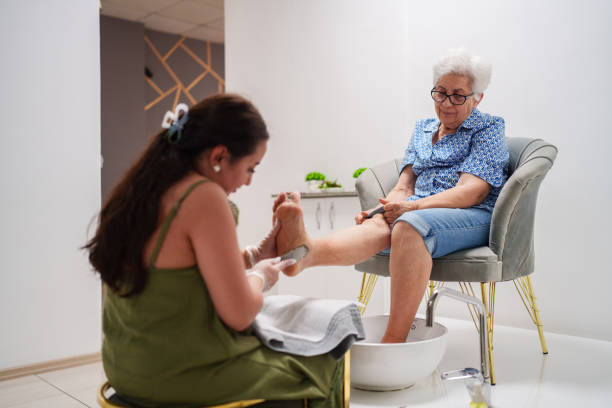
Maintaining Healthy Feet as We Age
As we grow older, changes in our skin, nails, and circulation can affect the health of our feet. Ingrown toenails and hard cuticles in seniors are common foot concerns that may begin as minor discomfort but can develop into painful conditions that affect mobility, independence, and overall quality of life.
For older adults, proper foot care is especially important because aging-related changes and chronic health conditions can increase the risk of infections, delayed healing, and mobility challenges. Understanding the causes, warning signs, prevention strategies, and treatment options can help seniors maintain healthy and comfortable feet.
Source: Ingrown Toenail by National Library of Medicine & Addressing Age-Related Challenges to Ingrown Toenails with the Elderly by Urgent Care for Feet
What Are Ingrown Toenails and Hard Cuticles?
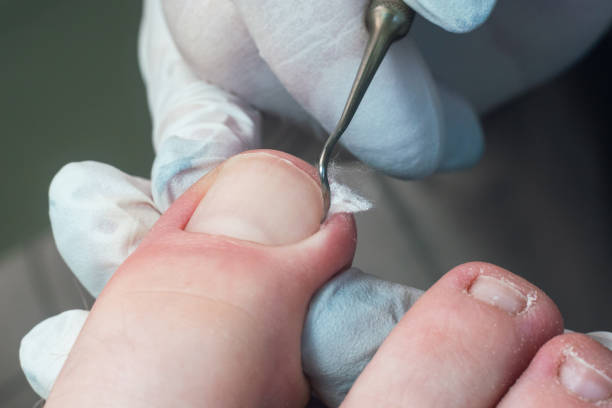
An ingrown toenail occurs when the edge of the toenail grows into the surrounding skin, causing irritation, redness, swelling, and pain. While it can happen to anyone, seniors may experience more frequent or severe cases due to changes in nail thickness, circulation, and skin health.
Hard cuticles occur when the skin around the nails becomes dry, thickened, cracked, or less flexible. Aging naturally reduces moisture levels in the skin, making cuticles more vulnerable to splitting and irritation.
Why Are Seniors More Prone to Ingrown Toenails and Hard Cuticles?
Aging causes several physical changes that can make routine foot care more challenging.
- Thickened and Brittle Toenails: As people age, toenails often become thicker, harder, and more difficult to trim. Improper trimming, such as cutting nails too short or rounding the corners, can increase the risk of the nail growing into the surrounding skin. Source: Mayo Clinic. “How to Trim Thickened Toenails.”
- Reduced Flexibility and Mobility: Many seniors experience arthritis, reduced flexibility, or limited mobility, making it difficult to reach their feet and perform regular nail care. Without proper assistance, toenails may become overgrown or improperly trimmed. Source: Foot & Ankle Specialists of New Jersey. “Foot Care for Seniors: Keeping Mobility and Independence.”
- Dry Skin and Hardened Cuticles: Aging skin produces less natural moisture, causing cuticles to become dry, thick, and more prone to cracking. These small cracks may allow bacteria to enter, and increase the risk of infection. Source: Healthdirect Australia. “Ingrown Toenails.”
- Chronic Health Conditions: Conditions such as diabetes, poor circulation, and peripheral neuropathy can affect foot health by slowing healing and reducing sensation. This makes early detection and preventive care especially important for seniors. Source: Urgent Care for Feet. “Addressing Age-Related Challenges to Ingrown Toenails with the Elderly.”
Common Symptoms of Ingrown Toenails and Hard Cuticles
Seniors and caregivers should watch for:
- Toe pain or tenderness
- Redness around the nail
- Swelling or warmth
- Thickened or cracked cuticles
- Changes in nail shape or color
- Difficulty walking comfortably
- Drainage or signs of infection
Early attention can prevent minor foot concerns from becoming serious complications.
How Ingrown Toenails and Hard Cuticles Affect Seniors
Although these conditions may appear small, they can significantly affect an older adult’s daily life.
- Pain and Discomfort: Foot pain can make walking, exercising, and participating in daily activities more difficult.
- Increased Risk of Infection: Broken skin around the nail creates an opportunity for bacteria to enter. Seniors with diabetes or circulation problems may be at higher risk for complications.
- Reduced Mobility and Independence: Painful feet can change walking patterns, reduce activity levels, and increase the risk of balance problems and falls.
How to Prevent Ingrown Toenails and Hard Cuticles in Seniors
Preventive foot care is one of the best ways to protect senior foot health.
Practice Proper Nail Care
- Trim toenails straight across
- Avoid cutting nails too short
- Avoid digging into nail corners
- Seek professional help when nail care becomes difficult
Moisturize Feet and Cuticles Regularly. Daily moisturizing helps prevent dryness, cracking, and hardened cuticles.
Wear Proper Footwear. Choose shoes that:
- Provide enough room for toes
- Do not squeeze the nail area
- Offer proper support and comfort
Perform Regular Foot Inspections. Caregivers and family members can help identify early signs of:
- Redness
- Swelling
- Skin breakdown
- Nail changes
- Pressure areas caused by footwear
Treatment Options for Ingrown Toenails and Hard Cuticles
Treatment depends on the severity of the condition.
Mild Cases. Possible supportive care may include:
- Warm foot soaks
- Keeping feet clean and dry
- Applying moisturizer to dry cuticles
- Protecting the affected area from pressure
When Professional Care Is Needed. A podiatrist or healthcare professional may provide:
- Nail lifting procedures
- Removal of part of the affected nail
- Treatment for infection
- Professional nail and cuticle care
Seniors with diabetes, circulation problems, or signs of infection should seek medical advice before attempting home treatments.