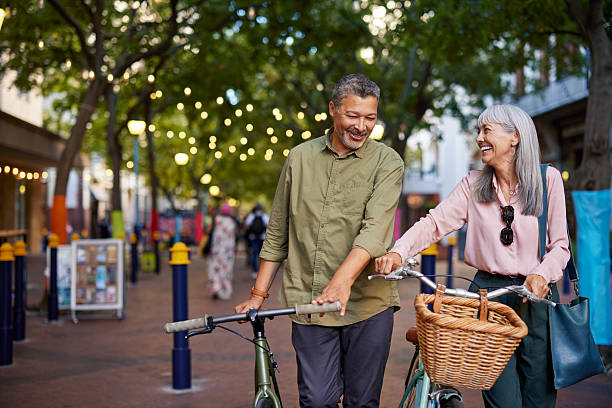
Benefits of Positivity and Healthy Living
What Is Positive Thinking?
A positive outlook can make a meaningful difference in how we approach everyday life. When combined with healthy habits, positive thinking can support emotional well-being, stress management, social connection, and overall quality of life.
For older adults, these habits can be especially valuable. Aging brings changes, challenges, and new opportunities. Therefore, maintaining a positive mindset and healthy lifestyle can help you approach each stage of life with greater confidence and resilience.
Importantly, positive thinking does not mean ignoring problems or pretending everything is perfect. Instead, it means learning to approach challenges in a realistic, constructive way while recognizing the things that are still going well.
What Is Positive Thinking?
Positive thinking is the practice of approaching life’s challenges with a more hopeful and constructive outlook.
For example, instead of thinking, “I can’t do this anymore,” you might say, “This is different than it used to be, but I can find a way to manage it.”
This simple change in perspective can help you focus on solutions rather than becoming overwhelmed by the problem.
According to Mayo Clinic, positive thinking is also closely connected with stress management. Research suggests that people who practice optimism may experience better psychological and physical well-being and may cope more effectively with stressful situations.
The Connection Between Positivity and Healthy Living
A healthy lifestyle involves more than eating nutritious foods or exercising regularly. Your emotional and social well-being also matters. In fact, positive emotions and healthy behaviors can work together. For example, when you feel more hopeful and motivated, you may be more likely to:
-
-
- Stay physically active
- Spend time with family and friends
- Eat nutritious meals
- Get enough sleep
- Participate in activities you enjoy
- Manage everyday stress
- Follow through with healthy routines
- Stay engaged with your community
-
Likewise, healthy habits can make it easier to maintain a positive outlook. Getting enough sleep, moving your body, connecting with others, and taking time to relax can all contribute to better overall well-being.
Benefits of Positivity and Healthy Living
The benefits of positivity and healthy living can extend across many areas of life.
1. Better Stress Management
Stress is a normal part of life. However, ongoing stress can affect both the mind and body. A positive outlook may help you respond to stressful situations in a more constructive way. Rather than immediately assuming the worst, you can pause, consider your options, and decide what you can control. As a result, you may feel better prepared to handle everyday challenges.
2. Improved Emotional Well-Being
Positive thinking can encourage greater self-acceptance and emotional balance. This does not mean that you should avoid sadness, disappointment, anger, or other difficult emotions. Instead, healthy positivity allows you to recognize those feelings without allowing them to define your entire outlook. For example, you might acknowledge:
“Today has been difficult, but tomorrow gives me another opportunity.”
That small shift can encourage hope while still recognizing reality.
3. Better Coping Skills
Life changes as we grow older. Retirement, changes in family relationships, health concerns, relocation, or the loss of someone close can all require adjustment. Developing resilience can make these transitions easier to navigate. Resilience does not mean that you never struggle. Rather, it means learning how to adapt, seek support, and move forward after difficult experiences.
4. Greater Motivation to Stay Active
A healthy lifestyle becomes easier to maintain when activities are enjoyable and realistic. Instead of thinking that exercise must mean an intense workout, consider simple activities such as:
-
-
- Taking a walk
- Gardening
- Stretching
- Dancing
- Swimming
- Practicing gentle yoga
- Participating in community activities
-
Even small amounts of movement can become part of a healthy daily routine.
5. Stronger Social Connections
Relationships play an important role in emotional well-being. Spending time with friends, family members, neighbors, or community groups can provide companionship and encouragement. Furthermore, meaningful social connections can give you opportunities to laugh, share experiences, and feel connected to others. Therefore, staying socially active can be an important part of healthy aging.
6. Healthier Daily Habits
A positive approach to life can encourage you to take better care of yourself. That may include eating balanced meals, getting adequate sleep, staying physically active, attending regular health appointments, and finding healthy ways to manage stress. Over time, these small choices can become habits that support your overall well-being.
Simple Ways to Develop a More Positive Outlook
You don’t have to completely change your personality to become more positive. Instead, start with small changes that fit naturally into your daily routine.
Practice Positive Self-Talk
Pay attention to the way you speak to yourself. If you make a mistake, try replacing harsh self-criticism with a more reasonable response. Instead of “I always get things wrong,” try “I made a mistake, but I can learn from it.”
Mayo Clinic recommends recognizing negative self-talk and responding to yourself with the same kindness and encouragement you would offer another person.
Focus on What You Can Control
Some situations are outside your control. Instead of spending all your energy worrying about what you cannot change, focus on what you can do today. Ask yourself, “What is one thing I can do to make this situation better?” Even a small action can create a sense of progress.
Make Time for Things You Enjoy
Life should include more than responsibilities. Make time for activities that bring you happiness, such as reading, listening to music, gardening, cooking, spending time with friends, traveling, or enjoying a favorite hobby. These simple moments can add meaning and enjoyment to your day.
Stay Connected
Make an effort to maintain relationships with people who encourage and support you. Call a friend, visit a family member, join a community activity, or attend a local event.
If getting out of the house has become difficult, consider inviting someone to visit you or connecting with others by phone or video.
Get Enough Sleep
Sleep is an important part of a healthy lifestyle. A consistent sleep routine can help you feel more rested and better prepared to manage the demands of the day. If you regularly have difficulty sleeping, talk with your healthcare provider about possible causes and appropriate solutions.
Move Your Body
Physical activity does not have to be complicated. A short walk, gentle stretching, gardening, or another activity you enjoy can help you stay active. Choose activities that are appropriate for your abilities and health needs. If you have concerns about beginning a new exercise routine, speak with your healthcare professional first.
Practice Gratitude
Take a few moments each day to recognize something you appreciate. It could be a good conversation, a beautiful morning, a favorite meal, a pet, a friend, or simply having time to enjoy your day. Keeping a gratitude journal can also help you intentionally notice positive experiences.
Recognizing Negative Thinking Patterns
Everyone has negative thoughts from time to time. However, it can be helpful to recognize patterns that may make everyday problems seem worse.
Filtering
You focus primarily on the negative parts of a situation while overlooking the positive.
For example, you may have a wonderful day but spend the evening thinking only about one thing that went wrong.
Personalizing
You automatically assume that something is your fault, even when you do not have enough information to know that it is.
Catastrophizing
You immediately expect the worst possible outcome. For example, one missed appointment may make you feel that the entire day is ruined.
All-or-Nothing Thinking
You see situations as either completely good or completely bad. For instance, you might think, “If I cannot do everything I used to do, I am no longer independent.” In reality, life often exists somewhere between those extremes.
Recognizing these patterns does not mean you should ignore legitimate concerns. Instead, it gives you an opportunity to look at the situation more realistically.
Healthy Living Is About the Whole Person
Healthy living is not simply about avoiding illness. It is also about maintaining a lifestyle that supports your physical, emotional, social, and mental well-being.
For older adults, this may mean finding the right balance between independence and support. You can continue making your own choices while accepting help with certain tasks when needed. In fact, appropriate support can sometimes make it easier to remain active, engaged, and independent.
Research on healthy aging continues to show connections between psychological well-being, social relationships, resilience, and health outcomes in later life.
Small Steps Can Make a Big Difference
You do not have to transform your entire lifestyle overnight.
Instead, begin with one small change.
Take a short walk. Call someone you care about. Get outside for some fresh air. Replace negative self-talk with a kinder response. Try a new activity. Get better sleep. Eat a nourishing meal. Then, build from there.
Over time, these small choices can become part of a lifestyle that supports greater well-being and enjoyment.
A Positive Outlook for a Meaningful Life
The benefits of positivity and healthy living are not about being cheerful every moment of every day. Everyone experiences difficult days, disappointment, stress, and loss.
What matters is how you respond.
By developing healthier habits, staying connected to others, practicing realistic positive thinking, and giving yourself permission to ask for support, you can create a lifestyle that encourages greater well-being and independence.
If you or a loved one is looking for practical ways to support an independent senior lifestyle, explore the resources and services available through Never Left Alone Concierge Services, Inc.
Aging well is not about doing everything alone.
It is about having the freedom, confidence, and support to continue living a life that feels meaningful to you.